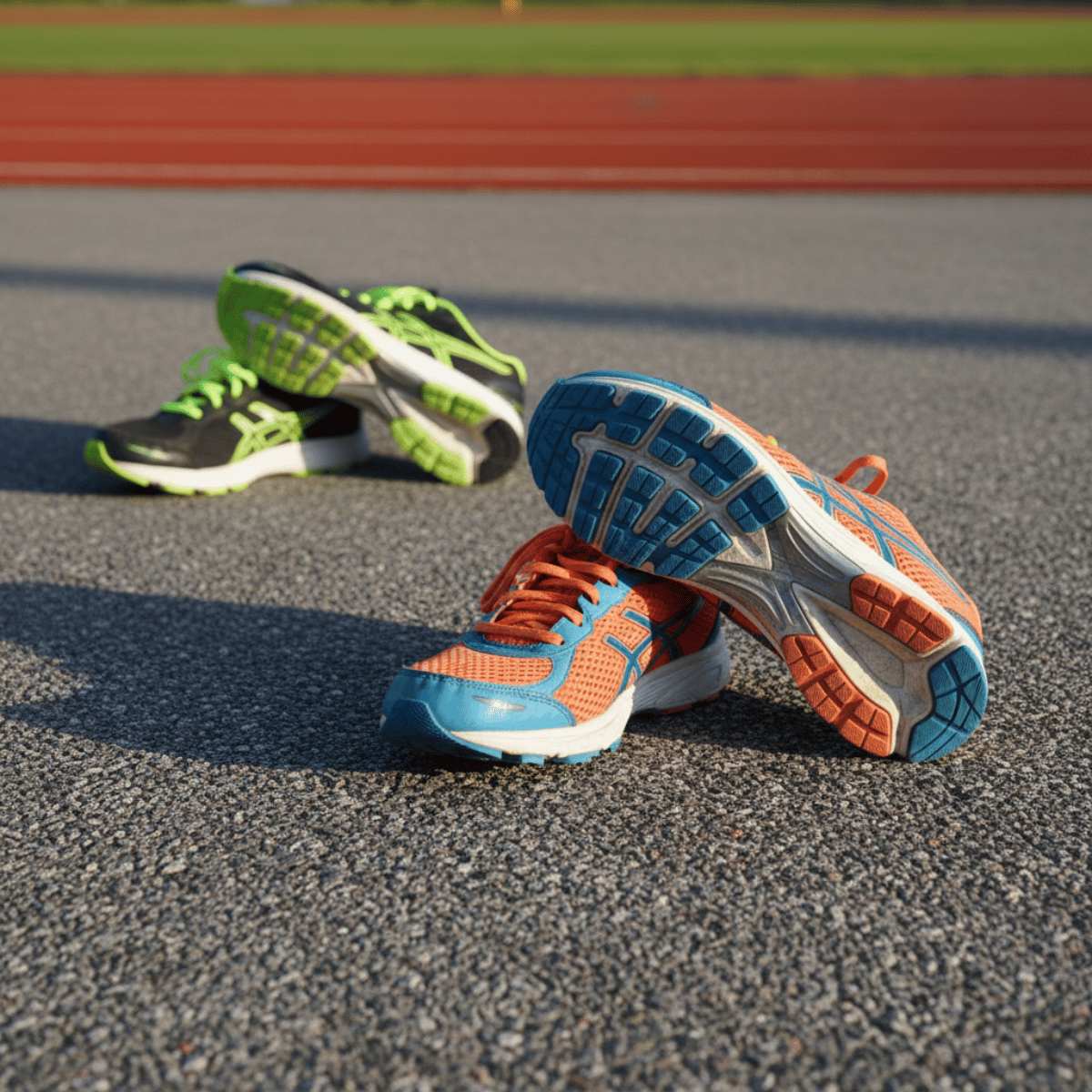
Choosing running shoes isn’t just about brand or style—it’s about how your body moves. Understanding the difference between neutral, stability, and motion control shoes can help you run more comfortably, reduce injury risk, and find footwear that truly supports your stride rather than works against it.
Choosing the right running shoes can feel overwhelming, especially when you’re faced with terms like neutral, stability, and motion control. These categories are meant to guide runners toward shoes that match their natural movement patterns, but the differences aren’t always clearly explained.
Understanding how these shoe types work—and whether you actually need one over another—can make a significant difference in comfort, performance, and injury prevention.
Why Running Shoe Categories Exist
Every runner moves differently. When your foot strikes the ground, it naturally rolls inward to absorb shock, a motion called pronation. This is a normal and necessary part of running mechanics. However, some runners pronate more or less than average, which can affect how force travels through the body.
Running shoe categories were created to help guide this motion:
- Neutral shoes support natural movement
- Stability shoes help control moderate overpronation
- Motion control shoes limit excessive inward rolling
While modern shoe design has become more nuanced, these categories still provide a helpful framework for choosing footwear.
Neutral Running Shoes
What Are Neutral Shoes?
Neutral running shoes are designed for runners with neutral pronation or mild underpronation (also called supination). These shoes do not include corrective features to control foot motion. Instead, they focus on cushioning and flexibility to allow the foot to move naturally.
Who Should Wear Neutral Shoes?
Neutral shoes are best for:
- Runners whose feet roll inward slightly but not excessively
- Runners with higher arches
- Runners who don’t experience recurring stability-related injuries
- Many beginner runners
It’s a common myth that only “perfect” runners can wear neutral shoes. In reality, many runners who mildly overpronate do just fine in neutral models.
Key Features of Neutral Shoes
- Even cushioning throughout the midsole
- Flexible design
- No medial support posts
- Lightweight feel compared to stability or motion control shoes
Pros and Cons
Pros
- Natural feel and smooth transitions
- Wide variety of models and cushioning levels
- Suitable for most runners
Cons
- Less support for runners with significant overpronation
- May feel unstable for some runners, especially during long runs
Stability Running Shoes
What Are Stability Shoes?
Stability running shoes are designed for runners who moderately overpronate, meaning their feet roll inward more than average during the stride. These shoes include subtle features to help guide the foot into a more neutral position without overly restricting movement.
Modern stability shoes are far less rigid than older designs and often feel very similar to neutral shoes.
Who Should Wear Stability Shoes?
Stability shoes may be helpful for:
- Runners with moderate overpronation
- Runners who experience knee, shin, or arch discomfort
- Runners whose shoes show wear along the inner edge
- Runners returning from certain injuries
Many runners choose stability shoes not because they “need” correction, but because they feel more supported and comfortable.
Key Features of Stability Shoes
- Medial support or guidance systems on the inner midsole
- Slightly firmer foam on the inside edge
- Structured heel counter
- Balanced cushioning with added support
Pros and Cons
Pros
- Improved support without excessive stiffness
- Reduced fatigue for runners who need guidance
- Suitable for daily training
Cons
- Slightly heavier than neutral shoes
- May feel restrictive for runners who don’t need support
Motion Control Running Shoes
What Are Motion Control Shoes?
Motion control shoes are designed for runners with severe overpronation, often associated with low arches or flat feet. These shoes provide the highest level of support and structure to limit excessive inward rolling.
They are less common today than in the past, as shoe technology has shifted toward more flexible support systems.
Who Should Wear Motion Control Shoes?
Motion control shoes may benefit:
- Runners with severe overpronation
- Runners with flat feet who experience chronic discomfort
- Heavier runners who need extra support
- Runners advised by medical professionals to use structured footwear
Not every runner with flat feet needs motion control shoes. Comfort and injury history matter more than arch shape alone.
Key Features of Motion Control Shoes
- Very firm medial support
- Wide, stable base
- Rigid heel counter
- Reduced flexibility
Pros and Cons
Pros
- Maximum stability and support
- Can reduce pain for runners who truly need control
- Durable construction
Cons
- Heavier and less flexible
- Limited style and model options
- May feel overly stiff for many runners
How to Choose the Right Type of Running Shoe
Look at Comfort First
No category matters if the shoe doesn’t feel comfortable. The right shoe should feel good from the first run—there should be no “breaking in” period.
Consider Your Injury History
If you’ve had recurring injuries, especially in your knees, ankles, or arches, stability or motion control shoes may be worth trying.
Examine Wear Patterns
Check the bottoms of your old running shoes:
- Even wear suggests neutral
- Heavy wear on the inside edge suggests overpronation
- Wear on the outer edge suggests underpronation
Don’t Rely Solely on Gait Analysis
Gait analysis can be helpful, but it’s not definitive. Many runners move differently when tired, stressed, or on different terrain. Use gait analysis as a guide, not a rule.
Do You Need Motion Control Shoes?
Most runners do not need motion control shoes. Overly restrictive footwear can interfere with natural movement and cause discomfort. Modern stability shoes often provide enough support for runners who previously would have been prescribed motion control.
When in doubt, start with neutral or stability shoes and adjust based on how your body responds.
The Modern Approach to Running Shoes
Running shoe design has evolved significantly. Today’s shoes focus on comfort, adaptability, and individual preference rather than rigid correction. Many runners rotate between different shoe types depending on mileage, terrain, and training goals.
There is no “perfect” shoe category—only what works best for you.
Final Thoughts
Neutral, stability, and motion control shoes each serve a purpose, but the best choice depends on your unique body, running style, and history. Comfort, consistency, and injury-free running matter far more than labels.
The right shoe supports your running—not the other way around.