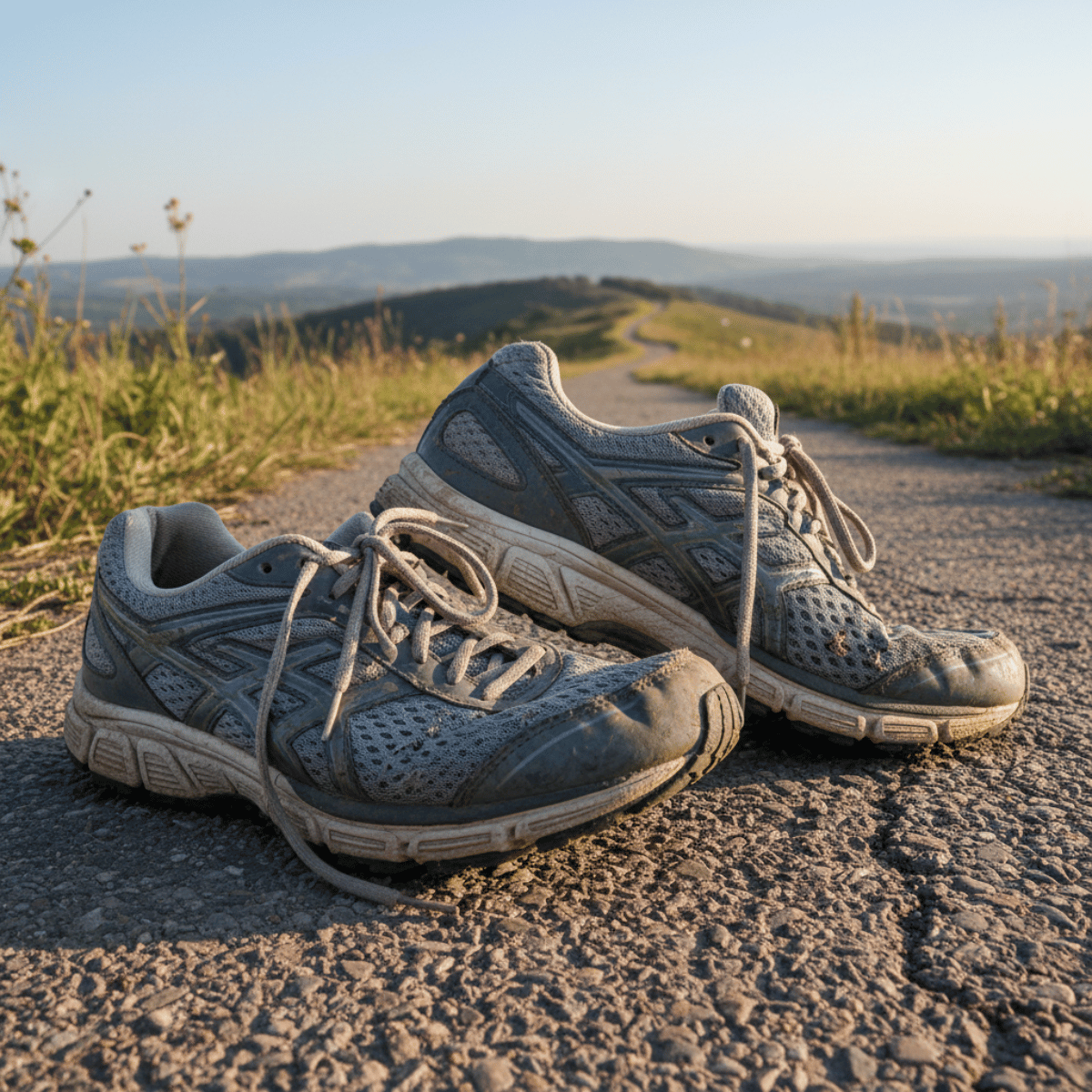
Learn how often to replace running shoes, signs of wear, mileage guidelines, and injury prevention tips for runners.
Running shoes are one of the most important tools a runner owns. They protect your feet, absorb impact, support your stride, and help prevent injury. Yet many runners—especially beginners—hold onto their shoes far longer than they should. Others replace them too early, worried they’ll break down overnight. So how often should you replace your running shoes?
The answer depends on mileage, wear patterns, running style, and how your body feels. Understanding these factors can help you run more comfortably, stay healthy, and get the most value from your shoes.
The General Rule: 300 to 500 Miles
Most running shoe manufacturers and coaches agree on a general guideline: running shoes should be replaced every 300 to 500 miles. For many runners, this translates to about 4 to 6 months of regular use.
- If you run 15 miles per week, your shoes may last close to a year.
- If you run 30 miles per week, you may need new shoes every 3 to 4 months.
- Marathon trainees or high-mileage runners may replace shoes even more frequently.
This range exists because different shoes, bodies, and running surfaces all affect how quickly a shoe breaks down.
Why Mileage Matters More Than Time
Running shoes don’t “expire” just because they’re old. What really matters is how much impact they’ve absorbed. Every step you take compresses the midsole foam, which is responsible for cushioning and shock absorption. Over time, that foam loses its ability to rebound.
Even if your shoes still look fine on the outside, the cushioning inside may no longer protect your joints effectively. This is why tracking mileage is more reliable than judging by appearance alone.
Many runners use GPS watches or apps to log miles per shoe. If you don’t track mileage, you can estimate based on how often and how far you run each week.
Signs Your Running Shoes Need Replacing
Mileage guidelines are helpful, but your body often gives clearer signals. Pay attention to these common warning signs:
- New aches or pains in your knees, hips, ankles, or feet
- Increased soreness after runs that used to feel easy
- Loss of cushioning, where the shoe feels flat or hard
- Uneven wear on the outsole, especially if one side is worn smooth
- Heel or arch discomfort that wasn’t present before
If you notice persistent discomfort that coincides with higher mileage on your shoes, replacement may be overdue.
Visual Wear vs Hidden Breakdown
One mistake runners make is waiting until shoes look “destroyed.” While worn treads or visible creases can indicate aging, most shoe breakdown happens invisibly in the midsole.
Modern running shoes are designed to look durable even when their cushioning has failed. This means a shoe can look fine but no longer perform its protective job. Relying only on how shoes look can increase injury risk.
Factors That Affect Shoe Lifespan
Not all running shoes last the same amount of time. Several factors influence how quickly they wear out:
Running Surface
Road running typically wears shoes faster than treadmill running, while trail running can cause uneven wear depending on terrain.
Body Weight and Running Form
Heavier runners or runners with strong heel strikes may compress midsoles faster. Overpronation or supination can also cause uneven breakdown.
Shoe Type
Lightweight racing shoes and minimalist models often have shorter lifespans than daily trainers with thicker midsoles.
Rotation
Using multiple pairs of shoes and rotating them allows midsoles to recover between runs, often extending overall shoe life.
What Happens If You Don’t Replace Shoes on Time?
Running in worn-out shoes doesn’t just feel uncomfortable—it can increase your risk of injury. As cushioning and support decline, your body absorbs more impact stress. Over time, this can contribute to issues like plantar fasciitis, shin splints, Achilles pain, and knee problems.
Replacing shoes proactively is often cheaper and easier than treating a running injury.
How to Make Your Running Shoes Last Longer
While you can’t stop shoes from wearing out, you can slow the process:
- Rotate between two pairs of running shoes
- Use running shoes only for running, not walking or errands
- Let shoes air dry naturally—avoid dryers or heaters
- Store shoes in a cool, dry place
- Choose shoes suited to your gait and running surface
When in Doubt, Listen to Your Body
Mileage guidelines provide a helpful framework, but they aren’t absolute. Some runners get 600 miles out of a pair, while others need replacement closer to 300. If your shoes no longer feel supportive or your body feels worse after runs, that’s valuable information.
Ultimately, replacing your running shoes on time is an investment in comfort, performance, and long-term health. Paying attention to how your shoes—and your body—feel can keep you running stronger and injury-free for years to come.